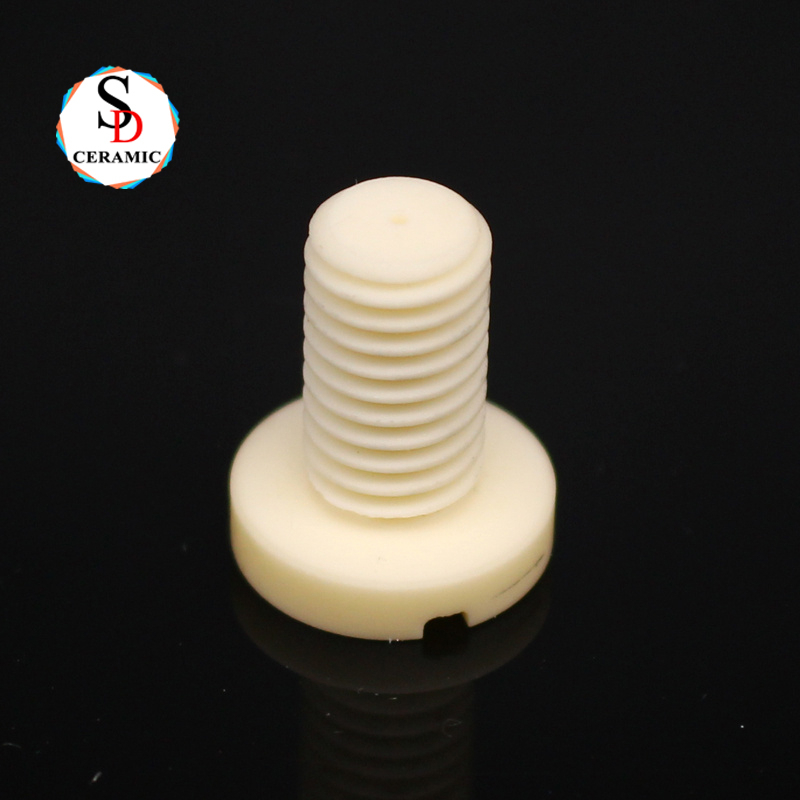
As fundamental fasteners, the material selection of bolts directly impacts performance and safety. The differences between 99% alumina bolts (referring to ceramic bolts with an alumina purity of over 99%) and metal bolts stem from the inherent disparities in their atomic structures and chemical bonds.
1. Core Property Comparison
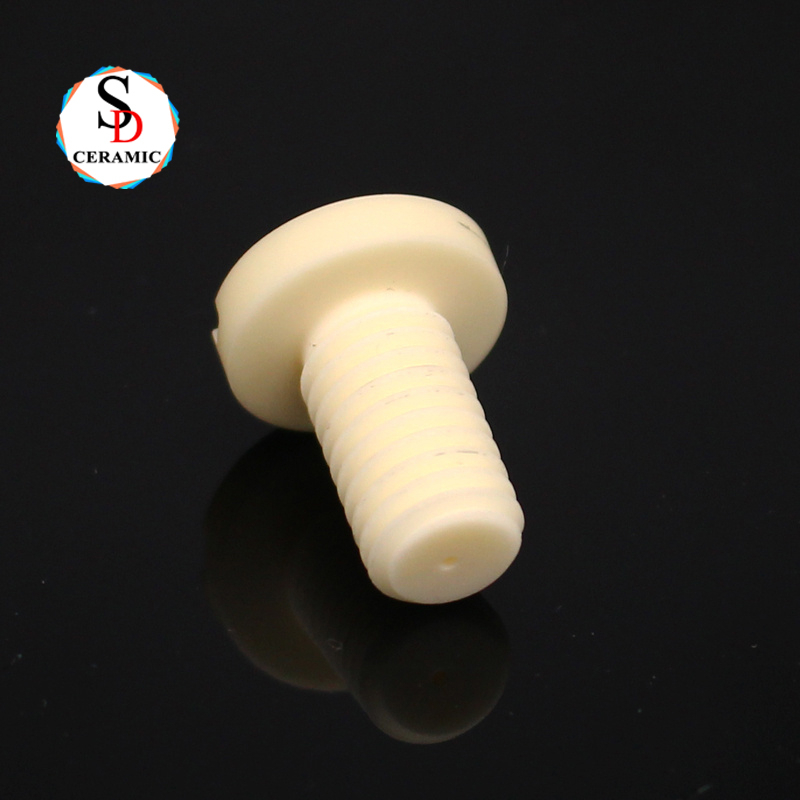
99% alumina bolts are bonded by ionic and covalent bonds, while metal bolts are primarily joined by metallic bonds. This structural difference endows alumina bolts with extremely high hardness (Mohs hardness 9, second only to diamond), excellent wear and corrosion resistance (resistant to strong acids and alkalis), as well as electrical insulation and high-temperature tolerance (sustained service temperature exceeding 1500°C). However, they exhibit significant brittleness and poor impact resistance.
In contrast, metal bolts boast good ductility, strong impact resistance, and superior electrical and thermal conductivity. Yet they have relatively low hardness, are prone to corrosion (stainless steel excepted), and tend to soften at high temperatures.
2. Application Scenario Differentiation
99% alumina bolts are engineered for extreme environments:
Semiconductor equipment: No metal contamination, electrical insulation
High-temperature kilns: Heat resistance without deformation
Strongly corrosive settings: Chemical reactors, medical devices
High-precision instruments: Non-magnetic, low thermal expansion
Metal bolts cater to general-purpose requirements:
Construction & bridges: High-toughness load-bearing
Mechanical equipment: Vibration and fatigue resistance
Daily maintenance: Low cost, easy processing
3. Key Usage Notes
Material selection must balance performance and limitations. Installation of alumina bolts requires precautions against brittle fracture to avoid localized stress concentration. For metal bolts used in humid or corrosive environments, surface treatment (e.g., galvanization) is necessary. In terms of cost, 99% alumina bolts are typically 5–10 times pricier than stainless steel bolts.
In conclusion, the two are not simply interchangeable alternatives. Metal bolts act as versatile all-rounders that ensure structural toughness, while 99% alumina bolts serve as specialized commandos that excel in extreme working conditions. Understanding their intrinsic differences is the key to precise application matching, achieving the optimal balance between safety and efficiency.
 |  |
If you have any questions or need help, feel free to contact with our team.
Phone
+86 183 5151 6951
Location
Qianluo Village, Dingshu Town, Yixing City, Jiangsu Province, China
Welcome to subscribe to our email message!


Copyright © Yixing Shengda Refractory Ceramic Co., Ltd. All Rights Reserved | Sitemap | Powered By